
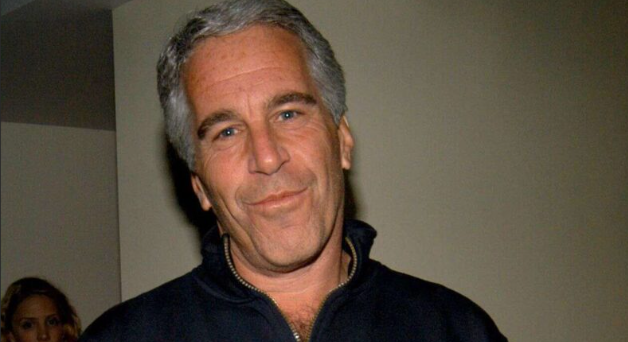
The release of the Epstein papers and the high-profile arrests of a former prince and Peter Mandelson have once again brought questions of power, accountability and transparency into sharp focus. Few can now doubt that stronger mechanisms are needed to hold those in positions of influence to account.
In the UK, the proposed Public Office (Accountability) Bill aims to reform the law around misconduct in public office. The bill would clarify duties and strengthen accountability for those exercising public power. Yet progress has stalled while debates continue about who should be subject to a statutory duty of candour.
These debates matter. But the wider lesson from scandals involving powerful individuals is that accountability cannot depend solely on police investigations or public inquiries after the fact. By the time law enforcement becomes involved, the harm has often already been done.
The public rightly expects high standards in public life. Meeting those expectations requires systems that identify risks and wrongdoing before they escalate into national scandals.
The Role of Internal Accountability
Effective governance depends on internal checks and balances. This includes clear ethical standards, oversight mechanisms and independent scrutiny.
One of the most powerful – yet often overlooked – safeguards is whistleblowing.
Employees, advisers and staff working inside institutions are often the first to see warning signs: misconduct, abuse of power, conflicts of interest, or attempts to conceal wrongdoing. When they feel safe to speak up, organisations gain an early opportunity to address problems internally. But when speaking up carries personal risk – retaliation, career damage, or reputational harm – those early warnings can be lost.
Had someone in this position witnessed Epstein and others committing their crimes and causing harm? Had they felt unsafe to speak up?
The result is a familiar pattern: concerns go unreported, issues grow unchecked, and accountability only arrives once the situation has become impossible to ignore.
Prevention, Not Just Reaction
Whistleblowing frameworks are not simply compliance tools. They are a preventative safeguard. Strong systems ensure that:
- concerns can be raised confidentially and safely
- reports are taken seriously and investigated independently
- individuals who speak up are protected from retaliation
When these conditions are in place, organisations are far more likely to detect and address problems early. Without them, misconduct may remain hidden until it reaches the scale of a public scandal.
Accountability for the Powerful
The debate around the Public Office (Accountability) Bill highlights an important truth: laws can strengthen standards in public life, but legislation alone cannot create a culture of accountability.
Institutions also need robust internal reporting mechanisms, clear ethical leadership and meaningful protections for those who raise concerns. If we want to prevent future scandals – whether involving public officials, powerful figures or major institutions – we must ensure that the people closest to wrongdoing can safely report it. Because in many cases, the first opportunity to stop misconduct does not come from an investigation, a parliamentary inquiry or a court case. It comes from someone inside the system choosing to speak up.