

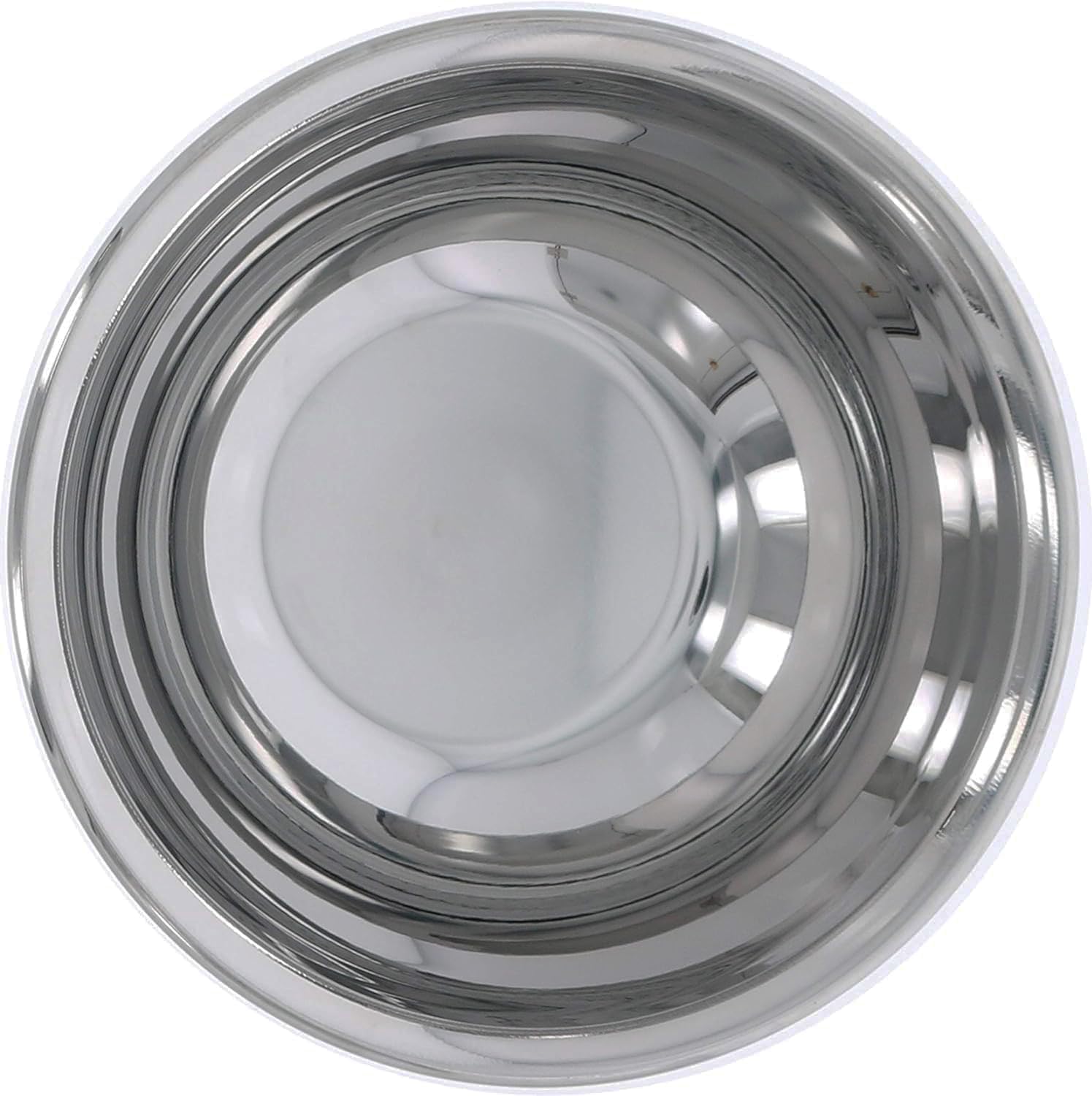
TAKAGI Stainless Steel Bowl, 4 Piece Set, 5.1, 5.1, 7.1, 8.3 inches (13, 15, 18, 21 cm), 21-0 Stainless Steel, For Cooking Preparation, Stackable Storage, Bowl, Cooking Utensils
Product details
| Management number | 209417066 | Release Date | 2026/03/29 | List Price | $20.04 | Model Number | 209417066 | ||
|---|---|---|---|---|---|---|---|---|---|
| Category | |||||||||
Simple and clean stainless steel bowl. 4 stackable storage options Available in 4 sizes so you can use it for everyday cooking. Prepare for cooking. Excellent corrosion resistance and hygienic TAKAGI Stainless Steel Round Colander Stainless steel round colander with feet Overlaps for 5.1, 5.9, 7.1, 8.3 inches (13, 15, 18, 21 cm).
- 5.1 inches (13 cm); Size: Approx. 5.7 x 2.0 x 5.7 inches (14.5 x 5.1 x 14.5 cm); Size: Approx. 6.6 x 2.4 x 6.6 x 6.8 inches (16.8 x 7.2 x 20 cm); Approx. 9.1 inches (2 x 2 x 2 x 2 x 2 x 2 x 2 x 2 x 2 x 2 x 23 cm)
- 5.1 inches (13 cm); Weight: Approx. 3.2 oz (92 g); Weight: Approx. 5.9 oz (154 g); Weight: Approx. 7.1 oz (211 g); 8.3 inches (21 cm); Weight: Approx. 9.8 oz
- Inner Diameter: 5.1 / 5.9 / 7.1 / 8.3 inches (13 / 15
- Material: 21-0 stainless steel
- Country of Origin: Japan
| Color | Silver |
|---|---|
| Pattern | Solid |
| Capacity | 3.2 ounces |
| Brand Name | 髙儀(Takagi) |
| Unit Count | 4.0 Count |
| Manufacturer | 髙儀(Takagi) |
| Bowl Material | Stainless Steel |
| Material Type | Stainless Steel |
| Product Style | Classic |
| Item Type Name | Cooking Ball |
| Included Components | No |
| Item Dimensions W x H | 9.06"W x 3.23"H |
| Is the item microwaveable | No |
| Product Care Instructions | Hand Wash Only |
| Is the item dishwasher safe | No |
| Other Special Features of the Product | Corrosion resistant |



Bestseller ranking
Mixing Bowls



Customers who viewed this product also viewed
Electric Hoists

Correction of product information
If you notice any omissions or errors in the product information on this page, please use the correction request form below.
Correction Request Form